Figuring out all this meatsuit stuff. Eventually.

Author: Cricket

Week One on Victoza

As of when I’m writing this, I’ve been on Victoza for about a week and a half.

When I first mentioned the possibility of a GLP-1 to my doctor, she was excited about the idea. I had a couple in mind, specifically because of both PCOS and CKD. None of the ones I was thinking of were Victoza, though.

My options are a bit limited, because I don’t have health insurance. But what I do have is an amazing doctor and a health clinic in my city that is determined to help underserved, underinsured people with health issues. They’ve got a program established with the manufacturer, which means I can get my medication at a massive discount.

That took care of the first fear I had when I brought up a GLP-1 with my doctor, honestly. I broached the topic even knowing I probably couldn’t afford the medication, and I’m really glad that I did.

I’ve been doing well on Farxiga, and it’s helped my CKD symptoms quite a bit. But I knew it was time to manage the PCOS symptoms if I could, and that includes the chronic systemic inflammation, the insulin resistance, and the wonky blood sugar, among other things.

The Basics

Before I get into too much, Victoza is a daily shot and it comes in a pre-measured pen, much like other medications, including insulin. Every day I prep a shot area and use a new disposable needle on the end of the pen to dispense the lowest dose, .6mg.

My doctor recommended I stick with the lowest dose for a couple of weeks, then try the middle dose, 1.2mg. Then we’ll evaluate how I’m doing.

There’s been a tiny learning curve with the injections, but for the most part I’ve got the hang of it. Giving myself a shot every day isn’t the most enjoyable thing I’ve done, but it’s also not that big a deal.

The needle is tiny, the shot is subcutaneous, and once it’s done, the day is off and running.

What’s My Goal?

I exist in a larger body. I’m fat. So the obvious first response must be that I’m trying to lose weight, right? Not really.

See, I’ve tried to lose weight for over 50 years and my battered body hasn’t done well with that. I’ve regained more than I’ve ever lost, and anyone who has survived diet culture will tell you the same thing.

The main problem, and the one that most of the medical professionals I’ve seen over the years keep forgetting, is that my weight is a symptom. Not the main problem.

My true issue is a combination of untreated chronic kidney disease and untreated PCOS, which have kept each other worsening in a vicious cycle until now, when my body has threatened to give out on me completely.

So my goal is to continue taking Farxiga and Victoza together, giving my body the support it needs to properly use the nutrients I take in and to let go of decades of systemic inflammation.

And so far? That’s working really well. I’ve lost about 13 total pounds of water weight. But was that my goal? Not really.

I can breathe better. My blood sugar is slowly evening out. My insulin resistance symptoms are getting better. The hair growth on my chin is slowing down. How’s that for bonkers?

What About the Side Effects?

Oddly enough, I haven’t had any side effects. Or at least, not any that worry me or bother me.

Food noise is gone, which makes eating…interesting at times. As long as I hit the target goals my doctor gave me for both protein and water intake, though, I’m not nauseated, I don’t feel lightheaded or weird, and my brain fog is slightly easing.

I don’t have a lot of energy yet, so I’m not doing anything like exercising consistently. I get on my rebounder and do some health bouncing and I love my vibration plate. But if I push myself to exercise, I wind up with some serious post-exertion exhaustion.

So, I’m listening to my body a lot right now. I’m letting it tell me what it needs and wants. I spent an awful long time pushing my body and browbeating it. It can’t cope with that anymore, so I need a new approach.

I Feel Supported

This is the most amazing part, really.

I feel supported in so many ways. My doctor is willing to listen to what I need. My body feels supported and because it does, it isn’t giving me those crazy, whacked-out symptoms and signals anymore. It’s calming down.

It’s letting me calm down.

I’m relearning how to trust myself, and to trust that I’m doing what I can, when I can. That’s a pretty interesting spot to be in.

What Next?

Next week, I start upping my dose while continuing to take Farxiga and focusing on maintaining the habits I’ve started with protein and hydration. To be fair, I started the hydration goal way back in October when I learned what was going on with my kidneys, and I’m glad I did.

Are you interested in hearing more about my experiences with Victoza? Or about what I’m doing to make sure I’m hitting protein goals? Let me know in the comments. Or are you taking a GLP-1, too, and want to share what’s working for you? Same deal, leave a comment and we can chat about it.

Like what I’m doing here at Good Zookeeper and want to help keep the lights on or just buy me a coffee? Thanks so much!

My First Three Months on Farxiga

Roughly three months ago, I found out I had chronic kidney disease, or CKD.

That was a kick in the pants. I’m already dealing with perimenopause and PCOS, and I was worried about the potential fallout from that. Like diabetes and heart disease.

But kidney disease? Yeah, that was unexpected.

My new doctor kicks ass, though. Because she sent me a message letting me know what my bloodwork said, and for the first time in my life, a doctor was proactive. Along with that message was a notification that I had a prescription for Farxiga waiting for me.

BAM. I had a new diagnosis AND I had a treatment.

So, I went and filled the scrip, started taking it, and immediately life changed.

Because it turns out? I have had CKD for a really long time. I’ve been dealing with symptoms that I didn’t realize were related to kidney issues.

Also also?

Nothing I’ve ever tried for PCOS has worked for me. And if you have PCOS? I want you to hear something loud and clear.

Your kidneys are super involved in waste removal, of course, and fluid management in your body. BUT ALSO – the kidneys are deeply involved in hormone management, managing metabolic issues like insulin resistance, and converting vitamin D to its active form.

SO…what I’ve experienced, I’m piecing together now, is that PCOS made it more difficult for my kidneys to function, which then caused more trouble with insulin resistance, hormone regulation, and vitamin D production, which then made my PCOS symptoms worse.

It’s the most vicious of cycles, and I’ve been trapped in it my entire life.

What has Farxiga been like? It’s been a wild ride these first three months, I’m not going to lie. I both feel better and not better, but in different ways.

In no particular order, here’s what my experience has been like.

Massive Fluid Redistribution

I’ve had issues with edema in my legs for several years, but I didn’t fully understand why. Turns out that when your kidneys aren’t working well, your body can’t move fluid out of itself very well, either.

I haven’t been focused on losing weight, but I have lost more than I have in a long time with absolutely no effort to do so. It’s all water weight, and that is absolutely fine with me.

This is starting to rapidly change my body composition, too, more on that later. I’m still wearing compression socks, but I have less leg pain from swelling and I’m starting to feel a good bit more relief in my lower legs.

Random Cough Gone / Shortness of Breath Resolving

If you’re new here, the reason I found out I had CKD at all is because back in October I couldn’t get rid of a really bad cough. Although, to be honest, I’ve had a random cough for years now. Absolutely years. And I’ve had issues with shortness of breath to the point that lately just walking around the house has left me super winded.

In the first week of Farxiga, my lungs started releasing water and I could breathe better. Almost immediately. In fact, for a couple of days I needed to stop taking Farxiga and it was instantly apparent just how much it had already helped, because I was suddenly unable to breathe again.

I can take deep breaths now and my chest doesn’t hurt. I’m not breathing shallowly all day long. I. Can. Breathe. And it’s a beautiful thing.

All that wheezing and the inability to catch my breath while doing simple things? I was literally drowning. And the rapid fluid movement I’m experiencing just keeps going, and every day I feel a difference in my breathing. I also cough very, very rarely.

Higher HRV

If you’re not familiar, HRV is heart rate variability and at first it’s a little confusing.

The short version is that your heart doesn’t beat at exactly the same interval with every beat. Measuring those differences gives you information about how healthy your heart is.

When that number is low, it tends to indicate that your heart is having more trouble, you’re under stress, or you’re sick. When you’re relaxed and happy, your HRV is likely to be higher.

This is one of the few body measurements you want to be high rather than low. That’s because high heart rate variability means that your heart is responding quickly and well to changes so that it keeps blood moving through your body.

Mine was always low. This coincided with a really high resting heart rate…even when I was lying down. Aaaaand it was getting worse.

Now that there’s a lot of strain removed from my kidneys and tons of fluid is getting redistributed, my heart is a lot calmer.

(If you’re curious how I’m testing HRV, I use the Visible app and Welltory, as well. Both have free versions.)

Better Blood Pressure

My blood pressure isn’t super high, oddly enough. Except when I’m in a doctor’s office, and then they’re usually convinced I’m actively having a stroke in front of them. Welcome to my panic attack!

But since starting Farxiga, my blood pressure is doing a lot better, even in the doctor’s office. The big issue I’ve had with it is my pulse pressure, which is the difference between the systolic (top number) and the diastolic (bottom number).

The issue I’ve had is that my pulse pressure has been high a lot in the last couple of years, even when my blood pressure is bang-on normal or even low. Recently, though, my pulse pressure is slowly coming down consistently.

Cognitive Fatigue

I’m going through perimenopause, and I’m neurodivergent. My executives dysfunction quite a lot. Especially lately.

That’s all to say that brain fog and me are best friends, and I’d love to break up. But it is not to be.

My body is going through a LOT of changes. A lot a lot. And that means that my brain is not firing on all cylinders lately. It sucks, not gonna lie, but I also understand that my body is really busy right now. I’m hoping this clears some.

To be perfectly frank, though, cognitive fatigue is a problem when the CKD is untreated, too, so I’m just fine with continuing to take my meds.

Plain Old Fatigue

Let’s not forget actual fatigue. Because I’m exhausted.

I was exhausted before the Farxiga, and I’m exhausted now. My body cannot get enough sleep and it reminds me of that every single day.

I’m constantly tired, from the moment I get up until I go to bed. And it’s really, really hard to keep up with everything that I have to do as a person, a pet guardian, a caregiver, and as a blogger and writer.

I keep trying to remind myself that I’m doing the best I can, but it’s difficult. And I’m letting myself and other people down every time I turn around, and it sucks.

IT Band Pain / Nerve Pain

This is a new one, and I believe it’s related to fluid redistribution.

Your IT band, or iliotibial band, is a strip of fascia that runs down the outside of your leg from your hip to your knee. The IT band supports your knee while walking, running, and engaging in other movements.

The IT band can get really tight, especially if you sit a lot. Runners can also have trouble with their IT bands.

My left leg has been larger than my right, by quite a bit. It’s been a little more swollen, a little more full of fluid. And now that fluid is shifting. I can feel the changes in my leg, just like I can in other parts of my body.

And apparently, that fluid shifting has caused some irritation in my IT band and specifically in the nerve at the top, at my hip. Massive nerve pain and soreness have been my friend the last two weeks or so.

One night, I woke up out of a deep sleep with nerve pain that felt like a flaming knife stabbed into my hip and then sliced all the way down the outside of my left leg. I’m not enjoying this one at all, but there’s not too much I can do other than some IT band stretches and basically babying the area.

Hair Loss

Remember what I said about how my body is really, really busy right now with redistributing fluid and learning how kidneys are supposed to work?

Yeeeeeah, that means that my body really DGAF about my hair, LOL.

I understand why, but no, I’m not super thrilled about it. But it’s not like I can do much about it until my body is in a better position to put energy and fuel toward growing hair again.

So, the best I can do is keep doing what I can to get back to as healthy as possible, and that benefits every part of me, not just my hair.

I’m a Walking Barometer

Funny story. When you’re experiencing a lot of fluid movement from the deep tissues and organs in your body and all of that is in a state of flux, you’re going to be really, really sensitive to barometric changes.

I was already somewhat sensitive to weather changes, but woooooof, it’s big now. So, yeah, I’m a walking barometer. Possibly temporary? Hopefully.

Lower Fasting Glucose

My A1C was 5.7 back in October, and I expected that, because my fasting glucose numbers have been creeping up over the years.

I’ve said this before, but I have never been worried about my kidneys. Diabetes and heart disease were the big issues I expected thanks to PCOS. So, my A1C being in prediabetic range was not a huge surprise in October.

Just for the record, I test my glucose levels with a meter and via finger stick. I’m tempted to try a CGM, but I know myself well enough to know that I might get too deep in the weeds with all of that data. I’m not super consistent with testing, especially lately. I test maybe once a week now? Sometimes less if I forget.

The first couple of months on Farxiga, my fasting numbers were all over the place. But the most recent ones have been trending downward, and I finally had one under 100 last week. In general, this is great news and might help protect my kidneys even more if I can keep this number trending downward.

Skin Issues Clearing Up

For most of my life I’ve had random skin issues and trouble keeping my skin from creating random dry patches that refuse to clear up at all. My feet have been a problem for most of my life, for instance, and in the last couple of years, I started dealing with a new problem: eczema.

There’s one particular spot on the back of one of my calves that has been a real pain for several years now, and nothing was helping much.

Since starting Farxiga? Feet are almost ready to start paying the rent and that eczema patch is almost gone. That’s massive. And the more I learn about kidney issues, skin trouble is a common symptom.

Vision Changes

Okay, vision issues. What I mean by this is random blurriness, trouble focusing, and they get tired a little quicker than they usually do.

This makes sense if you have diabetes or know someone who does. Blood sugar changes cause vision issues, but fluid changes cause them as well.

And I’m experiencing changes in my blood sugar levels and I’m experiencing some big fluid redistribution in my whole body. So, I expect this won’t calm down much until those big changes settle down and equalize.

I’m pretty sure that is going to take a while, honestly, because I can tell now that I have a lot of fluid trapped in my body still.


Whew! This got long, and I didn’t expect that. But these are the big things I’m noticing after three months on Farxiga.

Would I ever take it again? Would I still take it? Absofuckinglutely. This medication is saving my life, literally. The changes I’m experiencing can be overwhelming at times, but they’re just how it goes for now and I’m confident that I’ll feel so much better as my kidneys and my body finish adjusting.

Like what I’m doing here at Good Zookeeper and want to help keep the lights on or just buy me a coffee? Thanks so much!

Five Ways I Was Nicer to Myself in 2025

I’m definitely not alone when I say 2025 was a whole host of things. Not great. Five 2020s in a trench coat. A dumpster fire. A real bitch.

But it wasn’t all terrible, no matter what else happened. There were pockets of good, and I tried really hard to be nicer to myself. Here are five specific ways I worked at being kind to me.

(I finally found her again! The inspiration for this post came from a video that YouTube recommended to me and then I lost – PM Kester has a series on her YT channel dedicated to nice things she did for herself. Find her at How To Take A Break!)

I stopped giving myself arbitrary wakeup times.

I’ve always been a night owl trapped in a morning person’s world.

Back in college, I deliberately took 8am classes when my classmates were doing everything they could to make sure their classes didn’t start until afternoon.

I knew just enough about myself at that point to know that if I absolutely HAD to get out of bed to go to class, then I’d be awake and the rest of the day would be mine to study, work, and do whatever else I had to do.

Without that THING making me get up? I wouldn’t.

Ever since, I’ve almost always had that THING, whatever it was, that made me get up early and be a morning person. But it’s been getting harder and harder. Then my husband retired, and he wasn’t getting up early. I didn’t have to, either.

And all of a sudden, I couldn’t make myself wake up before 11am for anything on the planet. I think there are other things at play here, but a lifetime of ignoring my own chronotype for the most part is a big part of it.

At first, I was really worried about my later wakeup times and I was trying to force myself to do things my body wasn’t willing to do.

Eventually…I stopped trying to bludgeon myself into a mold that no longer fit. It turns out, I need a lot of rest right now, so I’m doing what I can to honor that need for my body.

I stopped worrying about what I was eating and drinking.

Diets don’t work. They just don’t.

Sure, lots of people lose weight by dieting, but I’m telling you. They don’t work.

And for someone like me, with PCOS and CKD and all sorts of other stuff going on that I’m still trying to figure out?

Dieting really doesn’t work.

People with PCOS are far more likely to develop eating disorders than people without PCOS, not that anyone is immune from this issue. And what I have found over the years is that if I try to restrict myself, I will just stop eating.

Nothing passes the “purity test” eventually and I just don’t eat. Or I can’t figure out what is “safe” to eat, so even though my body is crying out for nutrients, I’ll go a whole day without eating, because nothing is “right.”

There are other issues there, including sensory difficulties. But the reality is that I’m not overeating. That’s not why I’m fat. And the few treats that I eat now and again aren’t enough to make me fat, either.

So, to avoid slipping into that area of disordered eating that can be so familiar for me, I’m not restricting what I eat or drink. I might think hard about it before I do it, though.
A few weeks ago, I wanted a soda in the worst way. And at first, I told myself that with chronic kidney disease, I can’t have soda anymore. You know what that does, though.

Once you tell yourself you can’t have something at all, that’s what you want more than anything. So, the next time I wanted a soda, I asked myself why. I wanted the flavor, but I was also missing that bite from the bubbles. You know the one.

So I had one. Nobody died, nobody took away my birthday, and after the first few sips, I was like, meh. Because it wasn’t as great as what my brain kept saying it was.
I haven’t wanted a soda since, really, but if I do, I’ll have a few sips. That might be all my brain wants. A reminder that the idea was better than reality.

A good side effect from this? I’m more likely to eat something earlier in the day now, consistently. I know I’ll feel better. I know it will give my body the nutrients it needs, especially right now as I’m dealing with so much transition. And I’m rebuilding trust with my body after decades of beating it up.

I went to the doctor.

It had been almost a decade since I’d been to a doctor.

But back in August, I got hit with an allergy attack that really knocked me for a loop. And it left me with a cough that slipped my rib. That was a first.

So when I was still coughing in September, I knew it was time to find a doctor. I could finally get into their office in October, and I was still coughing, but not as bad. What was worse, though, was my breathing.

I got short of breath just sitting still.

This doctor was amazing, and I might go into all of this in more detail later. But she listened, she took some bloodwork, and we shared our boundaries with each other. There are some things that I want that she’ll only do if I meet her halfway on some other things, and that’s fair, honestly.

The next day I was fighting to wake up and I noticed I had a missed call and a message from their office. The doctor was letting me know that my bloodwork showed I was in stage 2 of CKD and that she had called in some medication for me.

I was floored. Also, I need to mention here that I’m aware stage 2 isn’t super horrible and that it’s very early in the staging to get a diagnosis.

I’m also aware now that quite a few of the symptoms I was dealing with, some that I hadn’t even mentioned to my doctor, were a big indicator that my kidneys weren’t functioning well.

Again, I’ll probably talk about this more later, but my kidneys love the medication and my body is super busy right now pulling fluid out of a lot of deep areas of my body. Especially around my lungs.

You know how I can tell that? I stopped coughing within a couple days of starting the meds and almost three months later, I can take a deep breath without pain.

Also, when I stopped taking the med after a week because I’d developed hives, all of my symptoms rushed back immediately. Restarting the med a couple of days after that resolved the symptoms. (Pretty sure now the hives were part of my system freaking out because of all the fluid redistribution going on.)

I started looking at what I can do, not what I can’t.

Over the past couple of years, I have gradually lost a lot of functionality. I didn’t notice it at first, but looking back, it’s painfully obvious.

There are a lot of things I stopped doing because I just couldn’t do them anymore. I didn’t have the energy, and I still don’t, for the most part.

But if I dwell on that, I’m going to really get stuck in the mud. So I’m focusing more on what I can do, what I’m regaining, and what I’m looking forward to doing once I’m feeling even better.

Because I’m letting myself sleep when I need to and when I can, I’m finding that some days are definitely better than others. When I’m having a hard day, I don’t push myself.

I’m doing the bare minimum now far more than ever before, but that’s okay. If I’m able to keep all the souls in my care going for one more day, then I’ve accomplished something. Still didn’t change the sheets or get the living room vacuumed? Welp.

There’s still tomorrow.

I’m practicing real self-compassion.

I’ve tried before to be compassionate with myself. It always ended up failing because who doesn’t demand more of themselves than they do of the people they love?

One of the things I’ve tried over the years is speaking to myself the way I would my best friend, but that didn’t stick.

See, I’m onto me. I know my tricks.

This past year, however, has taught me that genuine compassion for myself is absolutely necessary. Not pity, of course, but true self-compassion.

I’m dealing with a LOT. My husband has significant health issues. My mom is getting older. My furbabies are getting older. My own health issues have thrown me a big old curveball.

All of this is a lot for anyone to deal with. And it’s okay that I’m struggling. It’s okay that I’ve had to ask for help more often. And it’s okay that I’m frustrated at times with all of that.

I don’t have to stay in those feelings, though. Feelings are transient. They come, they go.

Recognizing the feelings, moving through them, letting them go…all of that helps me to clear the field and look at what is really under my own control. And lately that’s not a whole hell of a lot.

But I’m working on it.

So, there you have it.

The five ways I was nicer to myself this past year than I probably ever have been. I’m hoping to reap even bigger rewards from continuing to give myself grace and practicing self-compassion.

Is it easy? Of course not.

I’m still not performing to my own standards and wants more often than not. I’m letting people down at times. I’m letting myself down at times.

But I’m also operating within some very confined restraints that aren’t budging. My body and my brain can only do what they can do. I have to be okay with that for now and hope to see improvements soon.

It’s all part of trying to keep being the best zookeeper I can be, hitting as many of the marks as I can to improve enrichment, boost health, and maintain quality of life. I’m getting there.

Like what I’m doing here at Good Zookeeper and want to help keep the lights on or just buy me a coffee? Thanks so much!

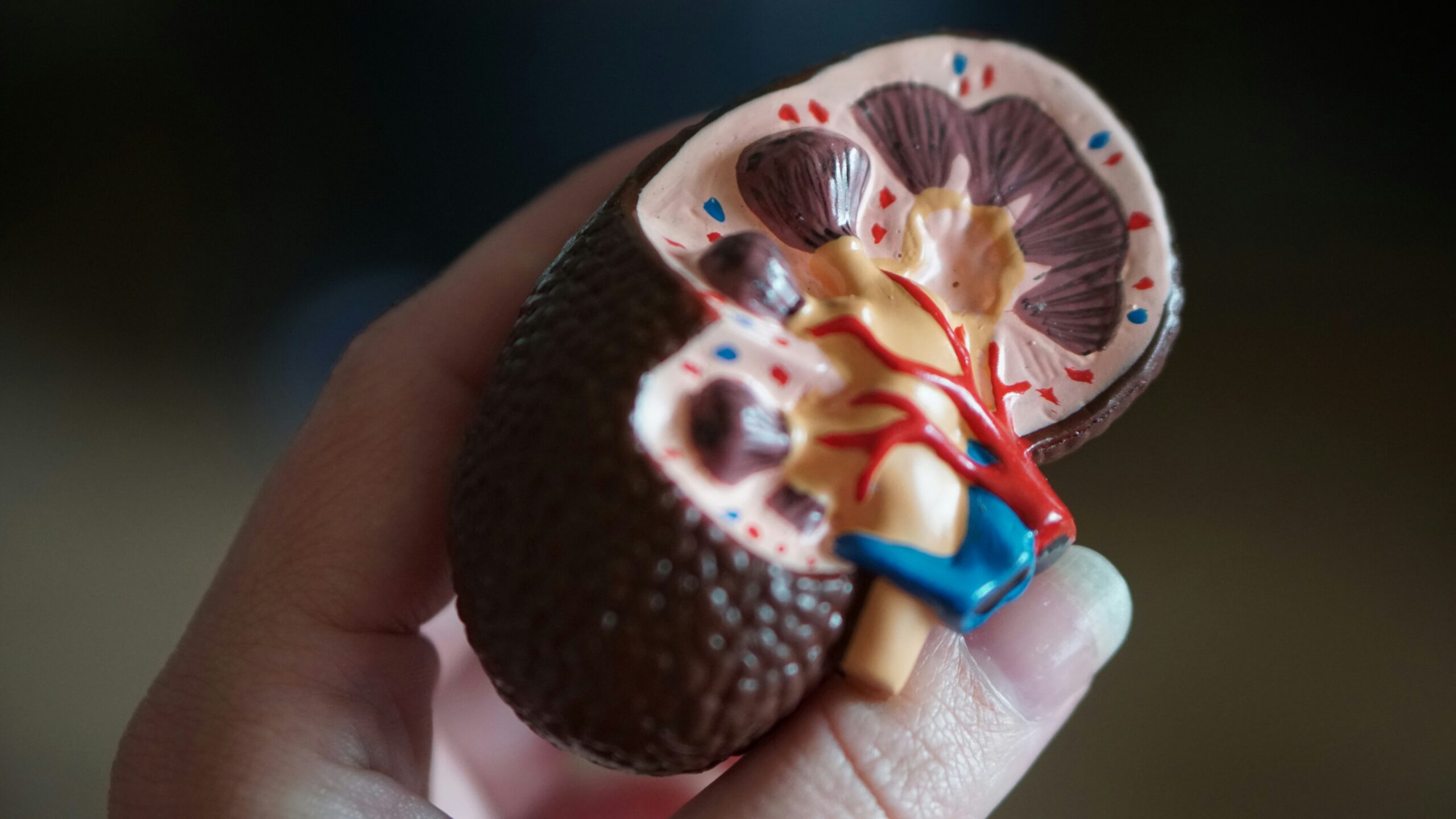
A New Problem? Yay.

Over the summer, I got hit with a huge allergy attack. Not fun, especially since I was taking antihistamines every single night. (Thank you, perimenopause!)

The big problem after the allergies quit having their way with me was the cough that they inspired. It just never went away. I even learned something new about subluxating a rib while coughing in the middle of the night. Zero stars, do not recommend.

When I wasn’t coughing, I couldn’t breathe. Just walking around the house was tough, much less doing anything else. Regular household tasks were becoming more and more difficult.

And that COUGH. It was not responding to anything.

So I did something I hadn’t done in almost a decade. I went to a doctor.

If we’ve never met, you don’t know my history with doctors. I can sum it up with, “it ain’t great.”

That other doctor, the one from a decade ago? I went to him at the urging of my husband because, “you need a doctor, just in case something happens.” So I established care at his office and a few months later, I was walking at a track nearby and it felt like my shin exploded. I’d had a tearing feeling in that area before, but it had subsided.

Once I was walking the track regularly, I suddenly had a big problem. So I went to “my doctor” to see what was going on with this exercise injury. He examined me, took X-rays, and told me to ice it and rest it.

Afterward he had his nurse email me to ask if I knew I was fat and that I should be eating right and exercising. Never once did he ask what I was eating, and I was there because I had injured myself. While exercising.

I sent back a scathing email and have never gone back.

Well, now my husband was right again. I was in a situation where I needed a doctor.

I found one and showed up, not sure what to expect. The office staff were all great and listened to my medical history and my current symptoms.

The doctor came in, listened to my symptoms, and didn’t once tell me to go lose weight and that would solve the problem. She wanted me to see a lung specialist, try an inhaler, and take a different allergy med. Then she drew some blood, talked to me about some other things she’d like me to do if I get comfortable with the idea, and was basically the kindest and most helpful doctor I’ve ever encountered in my life.

I was shocked.

The next day, she shocked me again. Because my bloodwork showed some things I expected because of my PCOS, like high cholesterol and an A1C that is now firmly in the pre-diabetic range.

But it also showed that I’m in the early stages of chronic kidney disease, CKD.

And that’s why I’ve had a cough off and on for the last few years, and why the one in August just would not go away. And why I have had shortness of breath for so long.

And it’s probably why everything I’ve tried to reduce PCOS symptoms just doesn’t work, and why I’m still exhausted.

Because my kidneys have been low-key struggling for a very, very long time. And the kidneys are tremendously important in managing insulin resistance and hormone regulation.

Which means the insulin resistance from PCOS made my kidneys work harder, which in turn made insulin resistance more difficult to manage, which worsened issues with PCOS…and then perimenopause on top of everything hasn’t helped.

My new doctor (I’m claiming this one) even sent a scrip to the pharmacy as soon as she saw my bloodwork, an SGLT2 inhibitor.

Next time I’ll share more about what I’m doing that is helping, what I’m thinking about adding, and what else I’m doing to deal with this new situation. There are a lot of ways that being my own zookeeper has gotten easier with all of this, and some ways that life is more complicated.

None of it is moving as fast as I want, and that’s a whole other issue.

But something I really want to stress is that throughout my entire time living with PCOS, I was always worried about two things: diabetes and heart disease. I’ve known that those were some big concerns and that I was staring down the barrel of both of them.

I never once worried about my kidneys, and I wish I had.

Until next time, thanks for reading!

Like what I’m doing here at Good Zookeeper and want to help keep the lights on or just buy me a coffee? Thanks so much!

© 2026 Good Zookeeper

Theme by Anders NorenUp ↑